Introduction
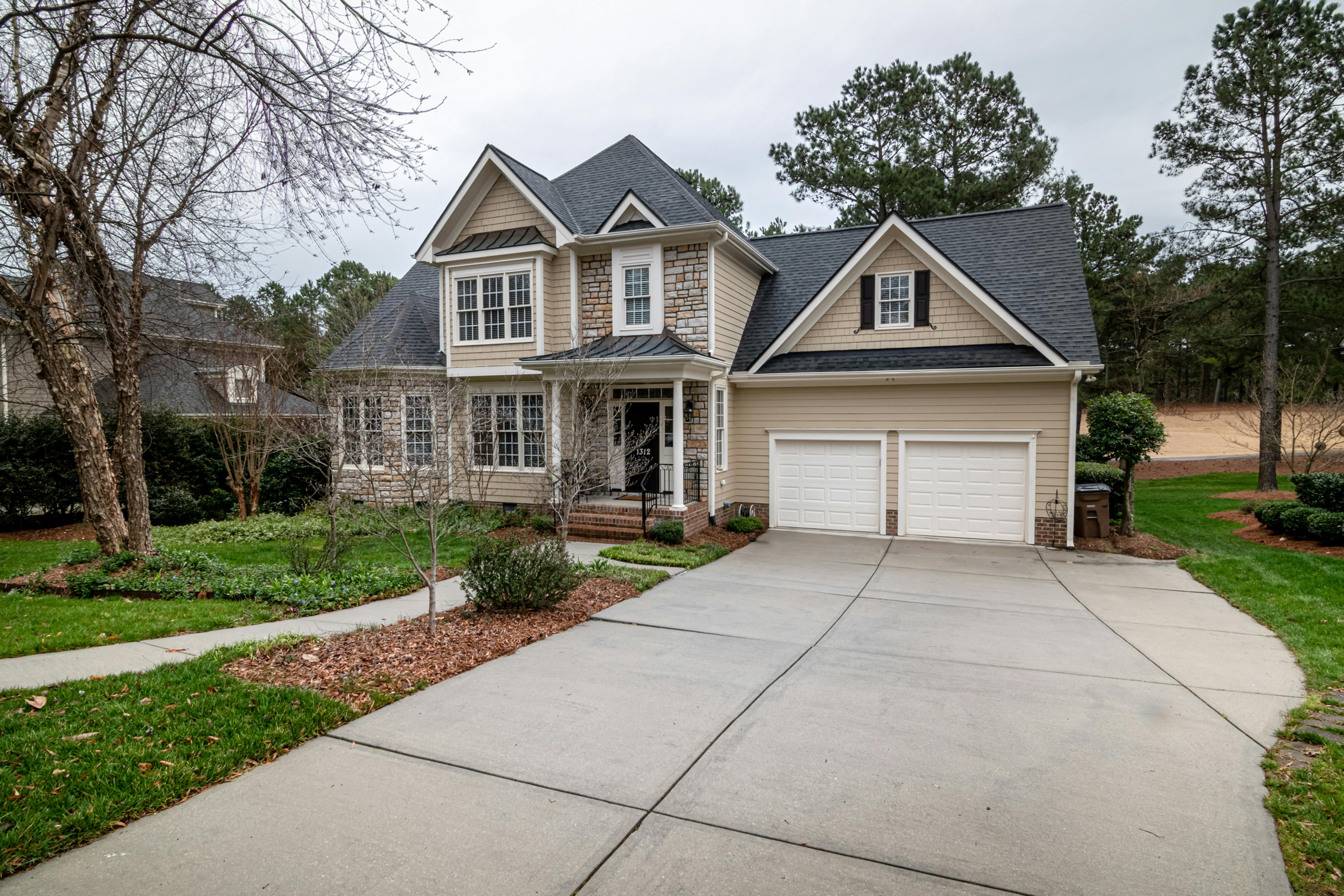
Maintaining the curb appeal of your home is crucial, and in Woodbridge, VA, where the climate offers both beauty and challenge, keeping exteriors clean can be a demanding task. As we advance into 2026, homeowners face a variety of options when it comes to cleaning their homes' exteriors. In this guide, we will compare two popular methods: pressure washing and soft washing. By the end, you'll be equipped to decide which method is best suited for your home.
Understanding Pressure Washing
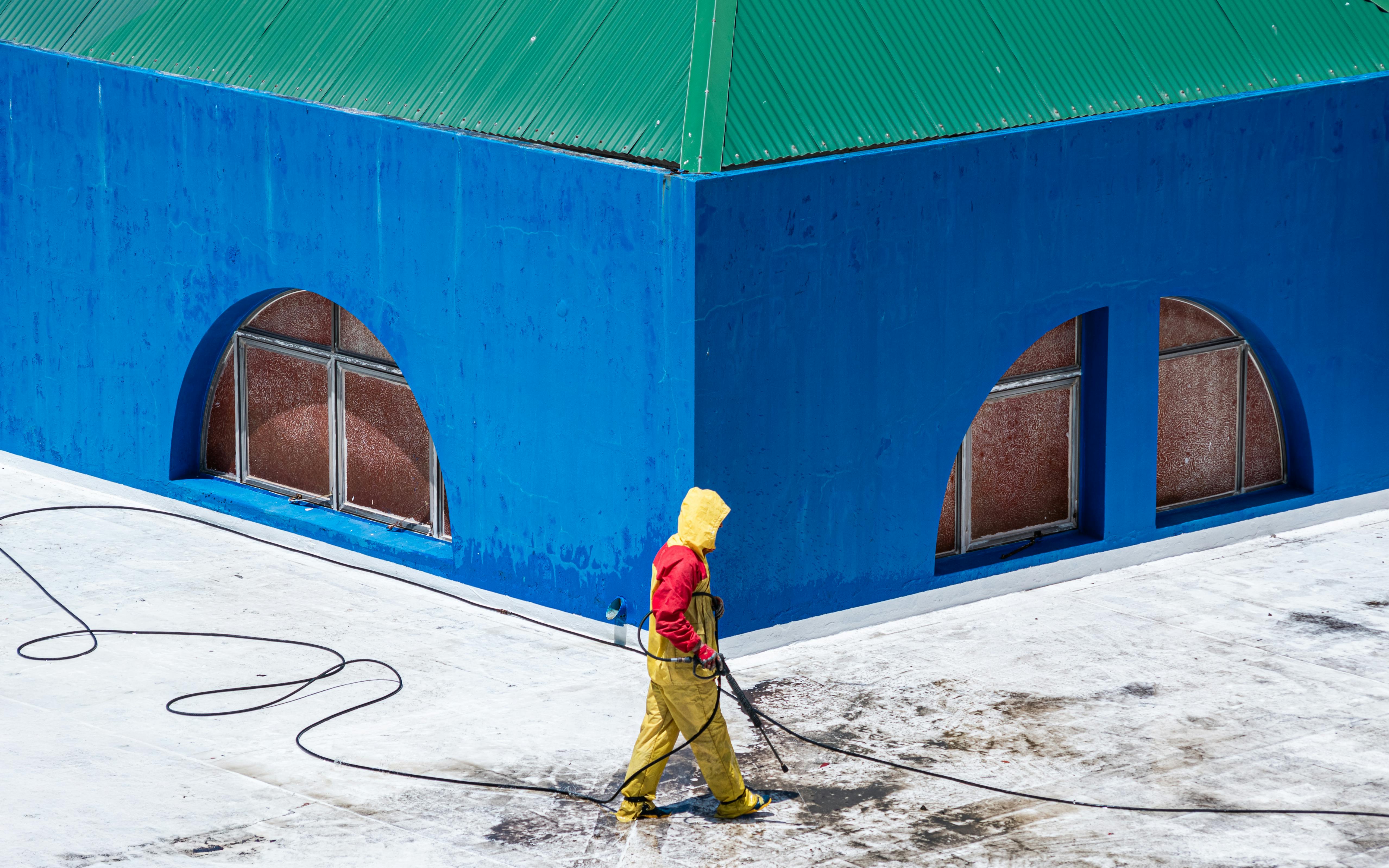
Pressure washing employs high-pressure water spray to remove dirt, mold, grime, dust, mud, and other unwanted substances from surfaces. It is particularly effective for hard surfaces such as driveways, sidewalks, and brick exteriors. The force of the water can quickly and efficiently clean even the most stubborn grime.
Pros of Pressure Washing
- Efficiency: Pressure washing can cover large areas quickly, making it ideal for expansive surfaces.
- Deep Cleaning: The high pressure can penetrate into cracks and crevices, ensuring thorough cleaning.
- Versatility: Suitable for a wide range of surfaces, including concrete, stone, and masonry.
Cons of Pressure Washing
- Surface Damage Risk: The high pressure can potentially damage more delicate surfaces, like wood or painted surfaces.
- Water Usage: This method uses a significant amount of water, which may be a consideration during dry periods or in areas with water restrictions.
Exploring Soft Washing
Soft washing is a technique that uses low-pressure water mixed with specialized cleaning solutions to remove dirt and organic growth from surfaces. This method is particularly effective for roofs, siding, and other delicate surfaces that might be damaged by high pressure.
Pros of Soft Washing
- Surface Safety: The low pressure minimizes the risk of damage to softer surfaces, such as shingles and wood.
- Long-Lasting Clean: The cleaning solutions used in soft washing can kill mold, mildew, and algae at their roots, preventing regrowth longer than pressure washing alone.
- Eco-Friendly: New advancements in 2026 have improved the eco-friendliness of the cleaning solutions, reducing environmental impact.
Cons of Soft Washing
- Time-Consuming: Soft washing can take longer compared to pressure washing, especially on larger surfaces.
- Initial Cost: The cost of the cleaning solutions can make soft washing initially more expensive than pressure washing.
Factors to Consider When Choosing Between Pressure and Soft Washing
Choosing the right cleaning method depends on several factors:
Surface Material
Consider the material of the surface you need to clean. Pressure washing is suitable for hard surfaces like concrete and brick, while soft washing is better for delicate surfaces like painted wood or roofs.
Type of Dirt or Stain
If you're dealing with heavy grime or moss, pressure washing might be more effective. However, for mold and algae, soft washing can provide a longer-term solution.
Environmental Concerns
In 2026, environmental considerations are more important than ever. Soft washing has evolved to use more environmentally friendly solutions, which might be a deciding factor for eco-conscious homeowners.
Conclusion
Both pressure washing and soft washing have their distinct advantages and limitations, and the choice between them should be guided by the specific needs of your home. By considering the type of surface, the nature of the cleaning required, and environmental factors, homeowners in Woodbridge, VA, can make informed decisions to keep their homes looking their best. For personalized advice and professional services, contact PureForce Pressure Washing to help maintain your home's beauty and integrity.
For more information on how PureForce Pressure Washing can assist you, feel free to reach out via our contact page or explore our other blog posts for additional tips and insights.